Ropa Vieja Recipe
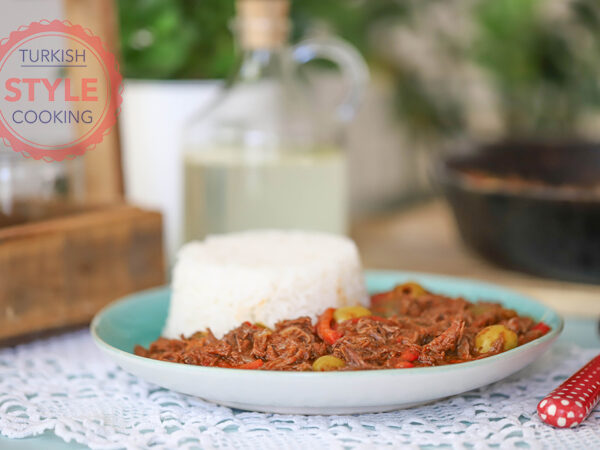
Ropa vieja is one of the most famous dishes in Cuban cuisine. It consists of beef that is slow-cooked until tender enough to fall apart into strands, then combined with a vegetable and tomato-based sauce. Its name means “old clothes” in Spanish. Although it may sound like a rather unusual name for a dish at first, the stringy appearance of the shredded beef makes it easy to understand where the name comes from.
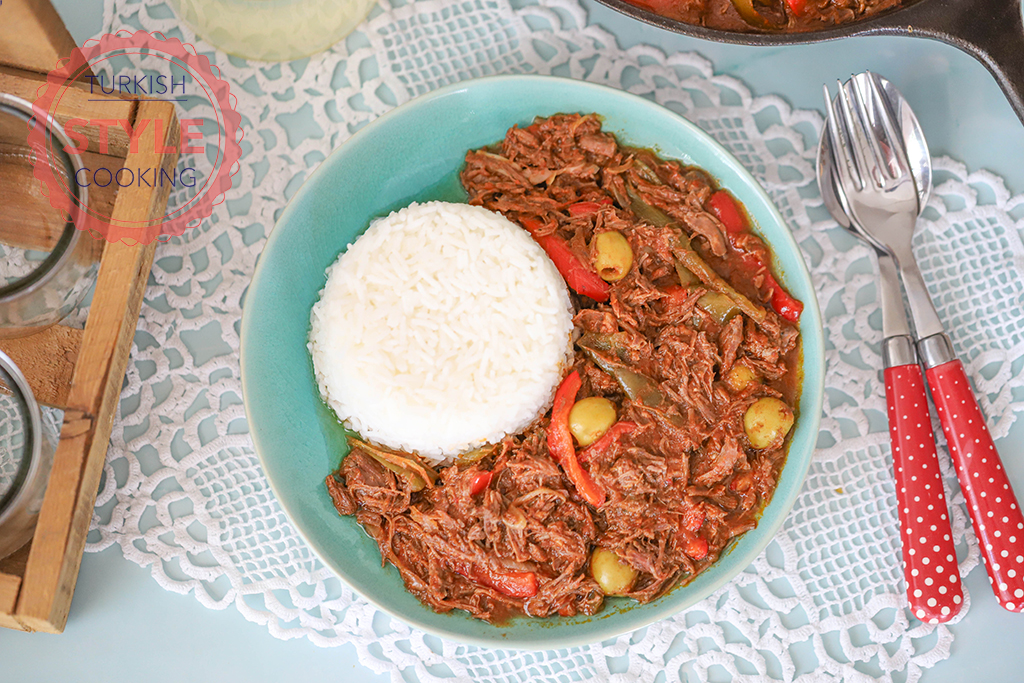
Cuban-style ropa vieja is made by cooking the beef until very tender, shredding it, and then combining it with a sauce prepared with onions, peppers, and tomatoes. Thanks to the long cooking time, the meat absorbs all the flavors, resulting in a hearty and wonderfully aromatic dish. Served with plain steamed rice, it makes a complete meal on its own.
The History and Origins of Ropa Vieja
Although ropa vieja is now particularly associated with Cuban cuisine, its roots can be traced back to Spain. Dishes bearing the same name can also be found in Spanish cuisine. What they have in common is the use of previously cooked meat, which is shredded and combined with other ingredients to create a new dish.
There are different accounts of how ropa vieja made its way from Spain to the Caribbean and the stages it went through along the way. The most likely explanation is that people, culinary traditions, and recipes traveled between the two sides of the Atlantic during the Spanish colonial period, allowing dishes such as ropa vieja to develop their own regional variations.
Different Versions of Ropa Vieja
Although the Cuban version is usually the first one that comes to mind when we hear the name ropa vieja, there are several variations of this dish in Spain and different parts of Latin America.
In Spain, ropa vieja is generally made using leftover meat from cocido madrileño, a traditional stew that may contain several types of meat, such as pork, chicken, and beef shank. Chickpeas are also commonly added to the dish.
Cuban-style ropa vieja, on the other hand, usually consists of shredded beef cooked in a tomato-based sauce with peppers and spices. Adding some of the beef cooking liquid to the sauce gives the dish a deeper, more cohesive flavor. In Cuba, it is commonly served with white rice and black beans. Fried plantain slices are also served alongside it at some tables.
Similar meat dishes, sometimes also called ropa vieja, can be found in Venezuela and other Latin American countries. The choice of meat, spices, vegetables, and serving style varies from region to region. Therefore, not every ropa vieja recipe has to use exactly the same ingredients.
For this recipe, I followed the Cuban-style version. I first browned the beef and then cooked it in a pressure cooker until tender. Next, I added it to a sauce made with onions, red and green bell peppers, tomatoes, and spices. I also used the beef cooking liquid to allow all the flavors to blend together.
In some recipes, the beef is cooked in the pressure cooker together with the onions and peppers. However, this can cause the peppers to become overcooked. Since I wanted the peppers to retain their shape and remain visible in the finished dish, I preferred to cook them separately.
Tips for Making Ropa Vieja
Choosing the right cut of beef: Choose cuts of beef that become tender and easy to shred after long cooking. Beef brisket, chuck, or other suitable cuts for stewing work well. You can also use leaner meat, but cuts with a little fat will give you a juicier and more flavorful result.
Brown the beef first: Browning the beef in a pan before cooking it in water creates a flavorful crust on the surface. This step adds depth to the overall flavor of the dish. Once you add the beef to the pan, give it enough time to brown and avoid overcrowding the pan.
Cook the beef until tender: One of the most important things when making ropa vieja is to cook the beef until it can be easily shredded. A pressure cooker speeds up the process. Since cooking time depends on the type and size of the meat, don't rely on the clock alone. Check whether the beef can be easily pulled apart with a fork. Increasing the cooking time in your pressure cooker by approximately 50% will help achieve the tenderness needed for ropa vieja.
Use the beef cooking liquid: Don't discard the liquid used to cook the beef. It carries the flavor of the meat and significantly enhances the sauce when added to the tomatoes and vegetables. You can also adjust the consistency of the sauce by adding this liquid gradually.
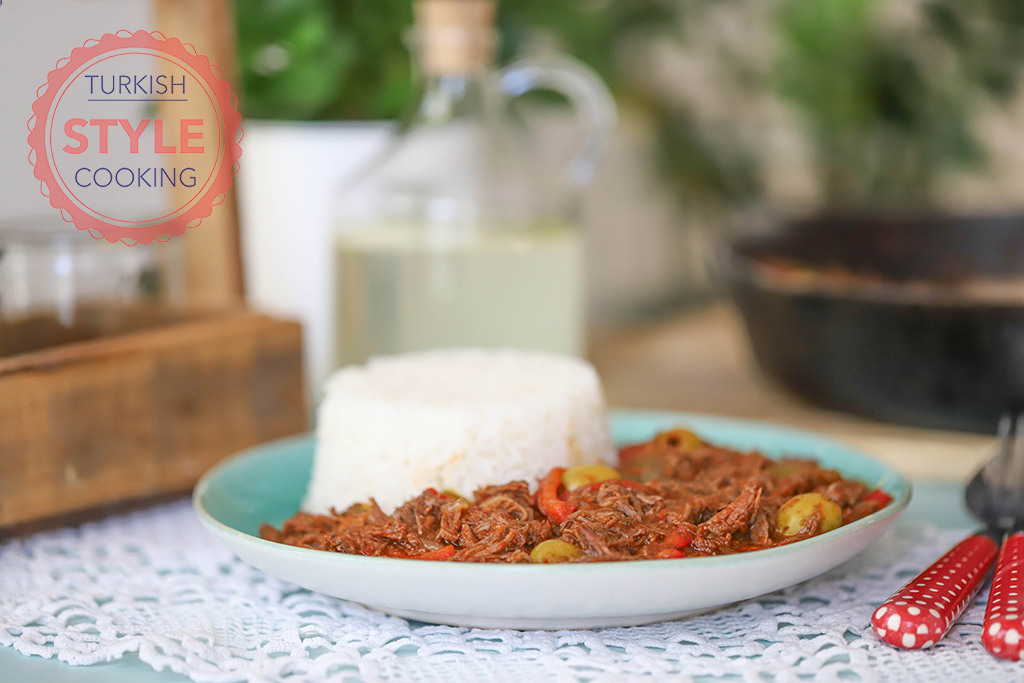
Shred the beef properly: Once the beef is cooked, remove it from the cooking liquid and use two forks to pull it apart along the grain. Rather than shredding it into very fine, almost mashed pieces, leave some distinct strands to give the dish a better texture.
Cook the vegetables separately: Sautéing the onions and peppers in the same pan used to brown the beef allows you to incorporate all those flavorful browned bits left behind. Cook the tomato paste briefly after adding it, then stir in the spices and tomatoes. This helps eliminate the raw taste of the tomato paste and gives the sauce a richer flavor.
Reduce the sauce gradually: Once you add the shredded beef and cooking liquid to the sauce, allow everything to simmer together for a while. Instead of reducing the liquid too quickly or completely, cook over low heat, stirring occasionally. Ropa vieja should remain moist with a little sauce rather than turning into dry strands of meat.
Adjust the spices to your taste: Paprika, oregano, black pepper, cumin, and allspice give this dish a distinctive aroma that sets it apart from more conventional beef dishes. Feel free to adjust the amounts according to your preferences.
How to Serve Ropa Vieja
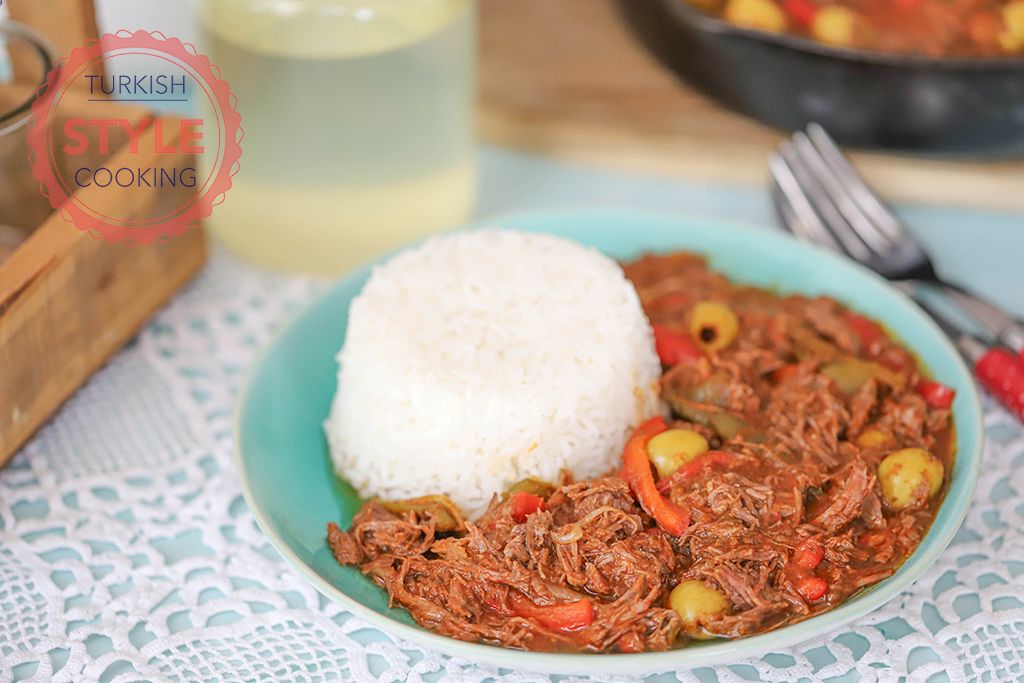
One of the most traditional accompaniments for Cuban-style ropa vieja is plain rice pilaf. The rice absorbs the tomato-based sauce and complements the flavor of the beef. Black beans and fried plantain slices are also common accompaniments in traditional Cuban meals.
I prefer serving this dish with plain rice so that the flavors of the beef, peppers, and tomato sauce remain the stars of the meal. You can also serve it with a light salad, such as Turkish çoban salata.
Ropa vieja is a great make-ahead dish. As it rests, the flavors of the sauce have more time to penetrate the meat. When reheating it the next day, add a little water or some reserved beef cooking liquid if necessary to prevent the meat from drying out.
For anyone who wants to explore Cuban cuisine at home, ropa vieja is a hearty and satisfying option that doesn't require any complicated cooking techniques or hard-to-find ingredients. When slowly cooked beef meets vegetables and spices, the result is a dish that is equally suitable for everyday meals and special occasions. I highly recommend giving it a try! And don't forget to share your experience in the comments after making it.
Enjoy!
Ingredients
- 800 g beef, cut into large chunks,
- 1 onion,
- 2 red bell peppers,
- 2 green bell peppers,
- 1/2 tablespoon tomato paste,
- 1 cup grated tomatoes,
- 1 teaspoon paprika,
- 1 teaspoon dried oregano,
- Black pepper, to taste,
- Ground cumin, to taste,
- Ground allspice, to taste,
- 4 tablespoons olive oil,
- 2 cups water,
- Salt, to taste,
- 2 bay leaves.
Preparation
- Heat the olive oil in a large pan, add the beef, and brown on both sides,
- Transfer the browned beef to a pressure cooker along with the bay leaves and water. Cook until the meat is tender,
- Meanwhile, slice the onion into half-moons and cut the peppers into thin strips. Add them to the same pan used to brown the beef and sauté until softened,
- Add the tomato paste and cook for a few minutes,
- Add the paprika, black pepper, allspice, and cumin. Stir well,
- Add the grated tomatoes and cook for a few more minutes,
- Remove the cooked beef from the pressure cooker and shred it using two forks,
- Add the shredded beef and some of the cooking liquid to the pan. Stir to combine,
- Add the salt and oregano, mix well, cover, and cook until the excess liquid has reduced,
- Serve with plain rice.
Enjoy!